Our vision
Just, peaceful, resilient, inclusive and accountable communities where citizens transform histories of trauma into platforms for dialogue, healing and sustainable development.
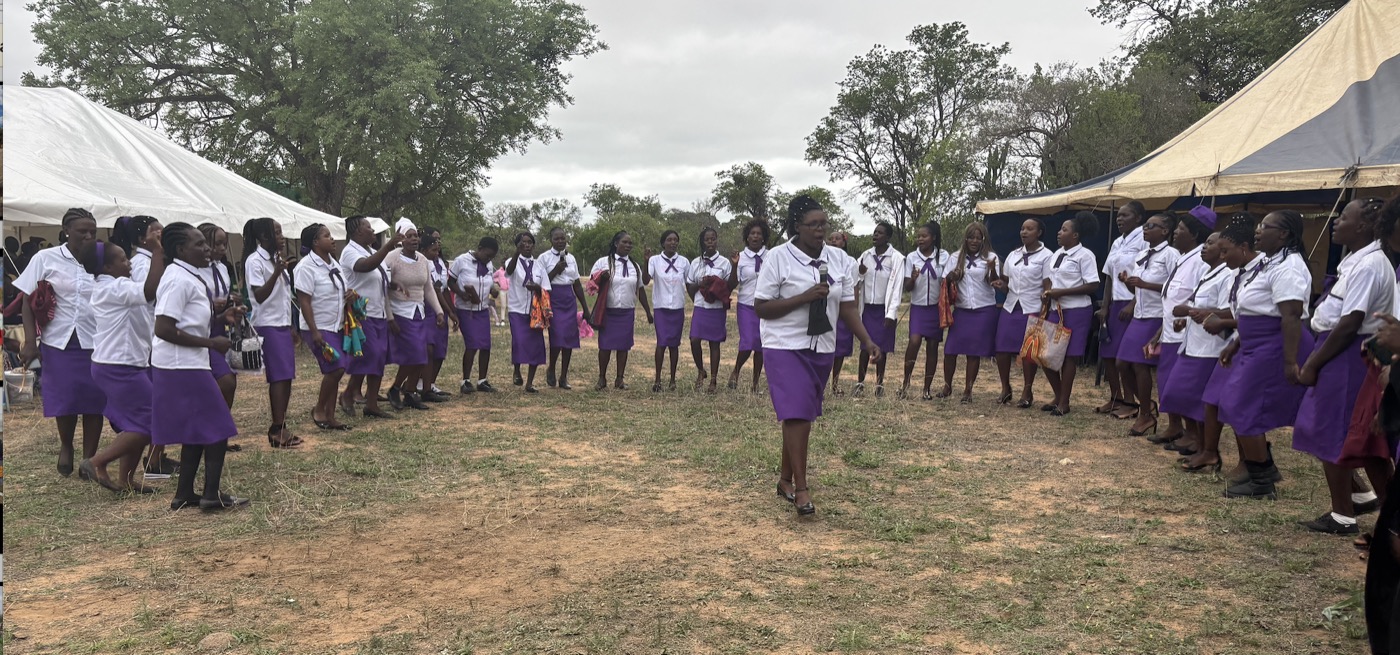
Just, peaceful, resilient, inclusive and accountable communities where citizens transform histories of trauma into platforms for dialogue, healing and sustainable development.
To empower rural citizens, including women, youth and traditional leadership, to actively participate in economic development and the promotion of tolerance in their communities.
We do this by acknowledging and repairing conflicts rooted in past violence, strengthening socioeconomic capacity and building advocacy skills.
Communities in Matabeleland that are more resilient, socially cohesive and economically empowered.
Through robust, responsive safeguarding, accountable local leadership, sustainable livelihoods and active civic participation.
If communities are supported to heal from both historical trauma and the psychosocial impacts of the Gukurahundi hearings, while strengthening inclusive local leadership, economic resilience, citizen participation and evidence-based advocacy, then they will become more resilient, be better able to sustain social cohesion, hold duty bearers accountable and drive their own development, because the structural and psychosocial barriers that limit participation and wellbeing will be reduced.
If women and young people acquire market-relevant and culturally appropriate livelihood skills alongside civic education and citizen journalism skills,
Then they will strengthen their economic resilience, participate more actively in community decision-making, and use digital platforms to document local priorities, monitor public services and advocate for positive change.
If community experiences, lessons and emerging issues are systematically documented, analysed and disseminated,
Then community voices will inform policy, strengthen advocacy and contribute to local, national and international dialogue on transitional justice, peacebuilding and inclusive development.
If chiefs and other traditional leaders are supported through peer learning, dialogue and leadership development,
Then they will be better positioned to sustain community dialogue, promote inclusive development, strengthen citizen participation and support locally led conflict prevention and social cohesion.
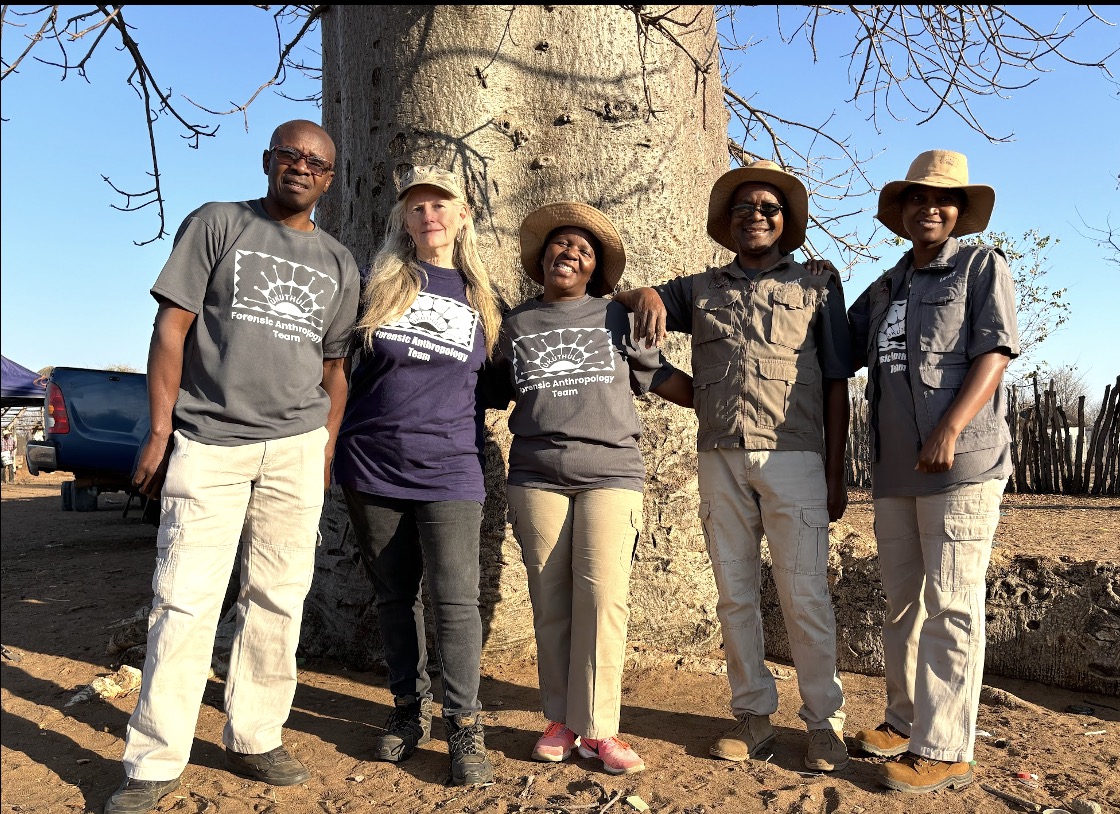
Ukuthula Trust was established in January 2014 and operated as a non-governmental Trust before registering in Zimbabwe as a Private Voluntary Organisation in 2026. Our focus has long been the rehabilitation of survivors of collective violence, the promotion of democracy, human rights and gender equality, and the transformation of conflict.
We are evolving to strengthen community resilience, foster inclusive governance and promote civic participation. Our staff combine deep institutional memory with the energy of a new generation, ensuring continuity, innovation and strong engagement within Zimbabwe's civil society.